A Brief History of Pearls: Luster of South Sea Pearls
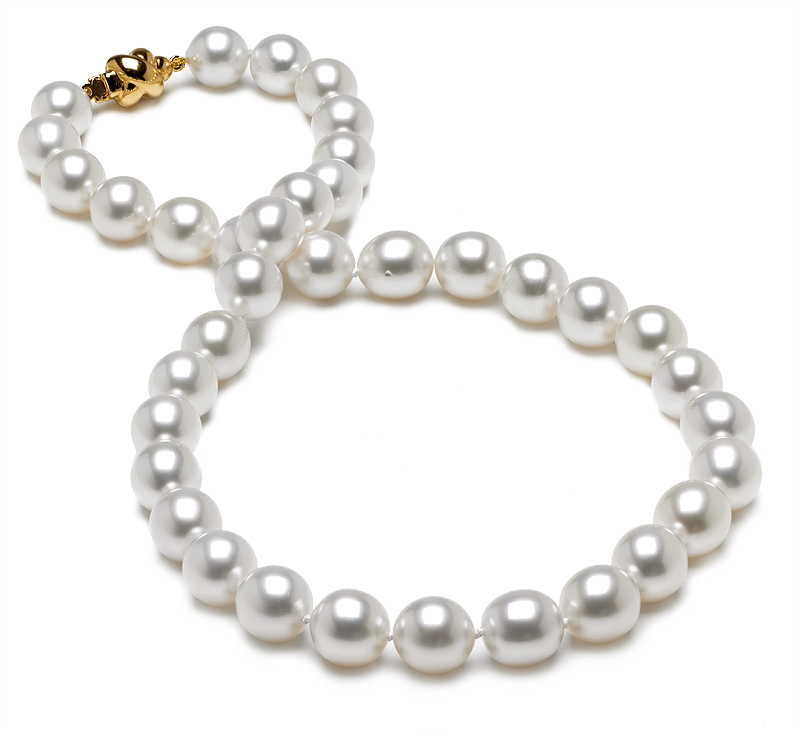
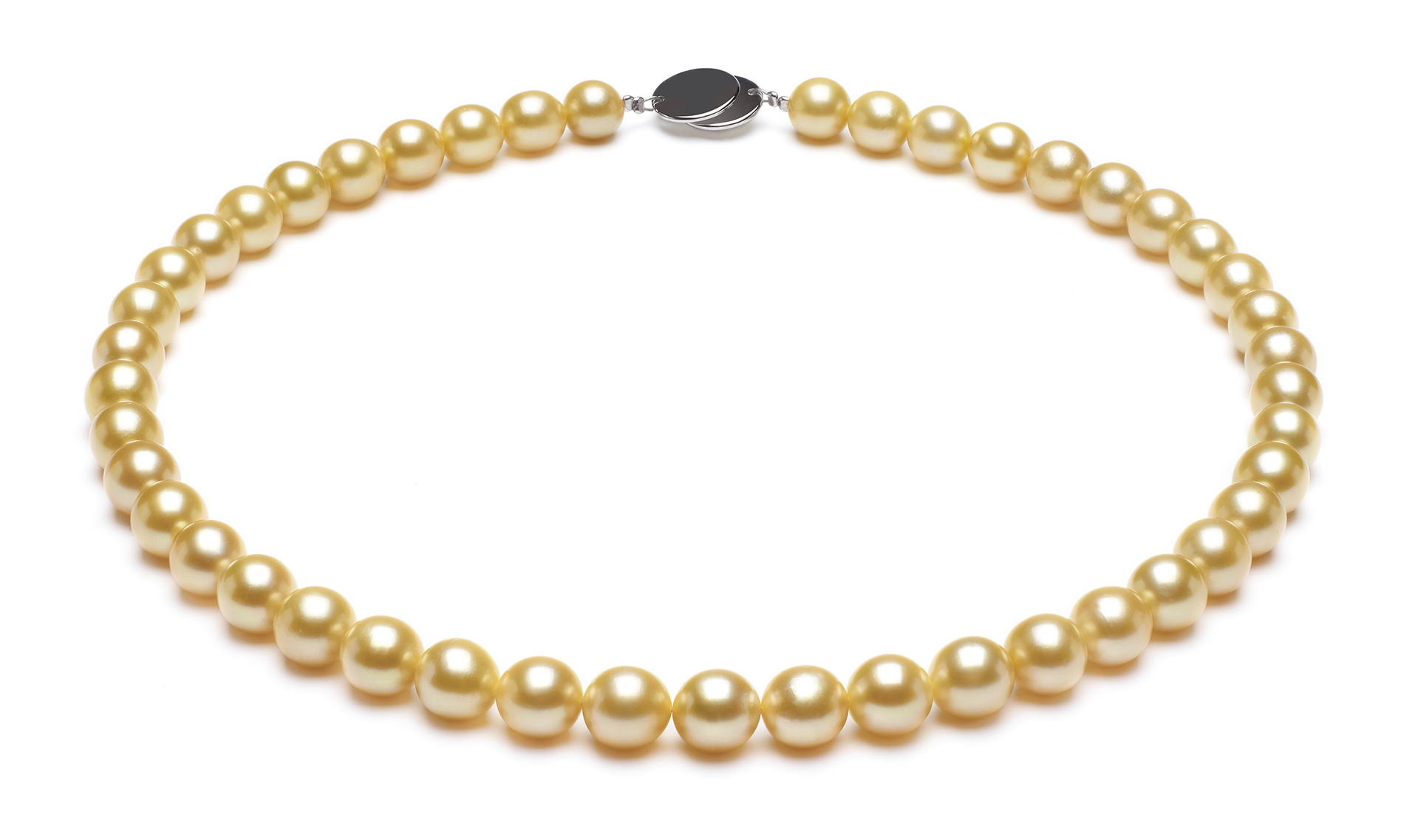
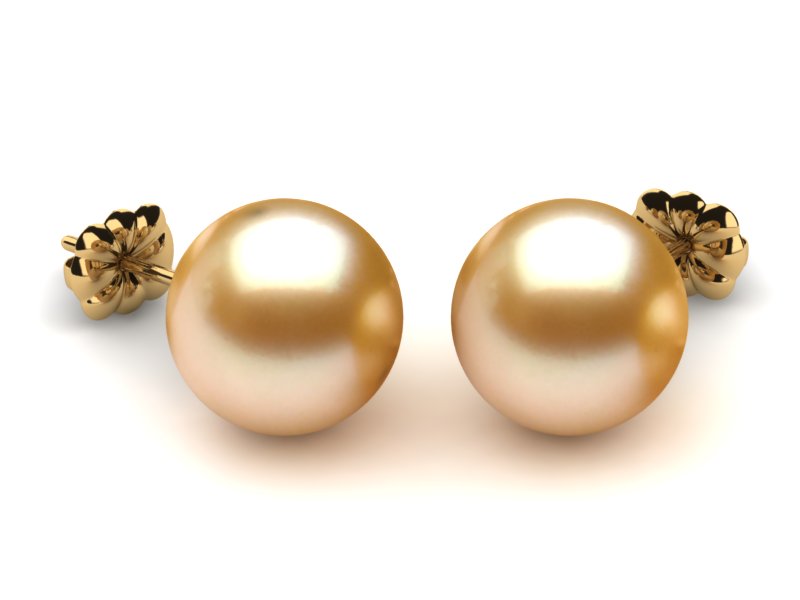
South Sea pearls have a soft, rich, satiny luster rather than the sharp mirror shine of Akoya pearls. Their very thick nacre gives a deep glow and an iridescence thinner-nacred pearls cannot match. More lustrous South Sea pearls are rarer and priced higher.
| A brief history of pearls | LUSTER OF SOUTH SEA PEARLS
In the world of pearls, South Sea pearls are highly coveted. Developing in the Pinctada maxima mollusk in Australia, Indonesia and the Philippines, South Sea pearls are rare, coveted and beautiful. You'll commonly see beautiful white South Sea pearls as well as the truly enchanting golden South Sea pearls in this class. One of the things that makes South Sea pearls so valuable is their luster. | ||
| How pearls form in oysters | |||
| How pearls are harvested | |||
| How pearls brought to market | |||
| Know your Akoya pearls | |||
| Akoya Pearl Cultivation | |||
| Akoya Pearl Harvesting | |||
| Akoya Pearl Processing | |||
| Akoya Pearl Evaluation | |||
| Quality Factor One: Luster | |||
| Luster of Akoya Pearls | |||
| Quality Factor Two: Surface | |||
| Surface of Akoya Pearls | |||
| Quality Factor Three: Shape | |||
| Shape of Akoya Pearls | |||
| Quality Factor Four: Color | |||
| Color of Akoya Pearls | |||
| Quality Factor Five: Size | |||
| Size of Akoya Pearls | |||
| Know your South Sea pearls | |||
| South Sea Pearl Cultivation | |||
| South Sea Pearl Harvesting | |||
| South Sea Pearl Processing | |||
| South Sea Pearl Quality Evaluation | |||
| Luster of South Sea Pearls | |||
| Surface of South Sea Pearls | |||
| Shape of South Sea Pearls | |||
| Color of South Sea Pearls | |||
| Size of South Sea Pearls | |||
| Know your Tahitian pearls | |||
| Tahitian Pearl Cultivation | |||
| Tahitian Pearl Harvesting | |||
| Tahitian Pearl Processing | |||
| Tahitian Pearl Quality Evaluation | |||
| Luster of Tahitian Pearls | |||
| Surface of Tahitian Pearls | |||
| Shape of Tahitian Pearls | |||
| Color of Tahitian Pearls | |||
| Size of Tahitian Pearls | |||
| Gift Giving Occasions |
| Previous Next | |
South Sea pearl luster: common questions
How is South Sea pearl luster different from Akoya luster?
Akoya luster is sharp and mirror-like. South Sea luster is softer and satiny, a deep glow that comes from thick nacre.
Why do South Sea pearls glow?
Their thick layers of nacre reflect and refract light from within, creating a rich iridescence.
Does luster affect South Sea pearl prices?
Yes. Luster is one of the most important value factors, alongside size, smoothness, body color and surface.
Shop South Sea pearls
Still deciding? Speak with a pearl specialist at 1-800-847-3275, or browse all Pearl Answers.
← Back to the Pearl Guide