The World's Finest Pearls™ · Family-Owned in New York's Diamond District Since 1950
American Pearl · Pearl Guide

A Brief History of Pearls: Surface of Akoya Pearls

The short answer

Most Akoya pearls have clean or very clean surfaces, because they grow for a short time and are held to strict Japanese grading standards. Small marks such as bumps, circles, spots, pits and wrinkles are non-damaging and do not get worse. Cracks or chips from sorting or drilling are damaging and can grow over time.

Reviewed by American Pearl’s pearl specialists · Updated October 2026
  A brief history of pearls

SURFACE OF AKOYA PEARLS


Akoya pearls, like other natural and cultured pearls, are judged on several factors. An Akoya pearl's surface is a very important component in determining its value.

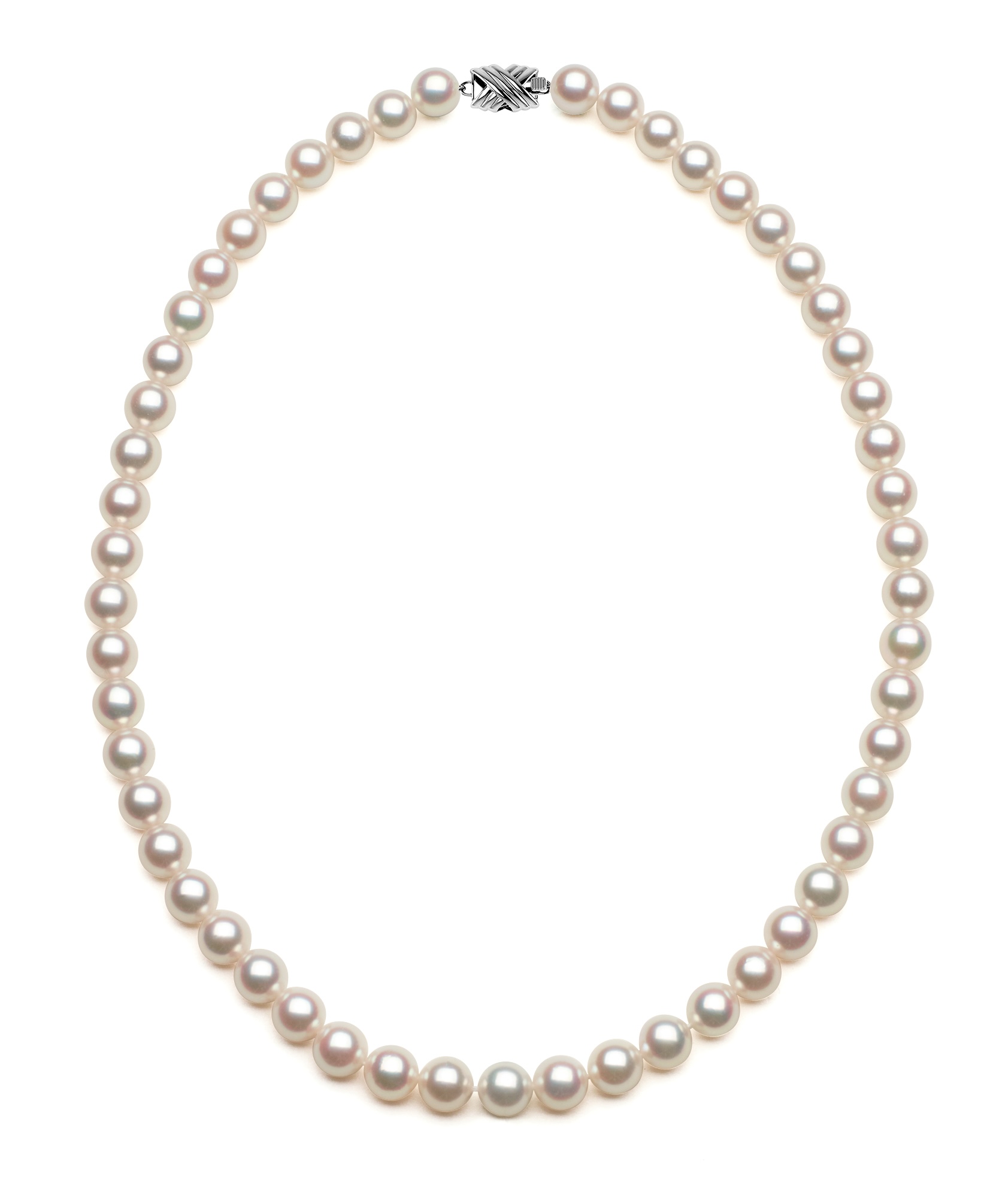
Most Akoya pearls are free from heavy blemishes and have clean or extremely clean surfaces. Because Japanese Akoya pearls are subject to strict quality standards, and because these pearls have a relatively short cultivation time, they're not usually at risk of developing more serious blemishes.

Some blemishes that Japanese Akoya pearls may have include:


  • Bumps
  • Circles
  • Spots
  • Pits
  • Wrinkles

These are generally non-damaging blemishes. Although they may affect the value of the pearl, they don't tend to become worse over time.

Damaging blemishes, such as cracks or chips that occur during the sorting or drilling processes, do tend to become worse with time. Naturally, those blemishes negatively affect the value of the pearl and its durability.

How pearls form in oysters
How pearls are harvested
How pearls brought to market
 
Know your Akoya pearls
Akoya Pearl Cultivation
Akoya Pearl Harvesting
Akoya Pearl Processing
Akoya Pearl Evaluation
 
Quality Factor One: Luster
Luster of Akoya Pearls
Quality Factor Two: Surface
Surface of Akoya Pearls
Quality Factor Three: Shape
Shape of Akoya Pearls
Quality Factor Four: Color
Color of Akoya Pearls
Quality Factor Five: Size
Size of Akoya Pearls
 
Know your South Sea pearls
South Sea Pearl Cultivation
South Sea Pearl Harvesting
South Sea Pearl Processing
South Sea Pearl Quality Evaluation
Luster of South Sea Pearls
Surface of South Sea Pearls
Shape of South Sea Pearls
Color of South Sea Pearls
Size of South Sea Pearls
 
Know your Tahitian pearls
Tahitian Pearl Cultivation
Tahitian Pearl Harvesting
Tahitian Pearl Processing
Tahitian Pearl Quality Evaluation
Luster of Tahitian Pearls
Surface of Tahitian Pearls
Shape of Tahitian Pearls
Color of Tahitian Pearls
Size of Tahitian Pearls
 
Gift Giving Occasions


  Previous   Next  

Akoya pearl surface: common questions

What blemishes can Akoya pearls have?

Bumps, circles, spots, pits and wrinkles. These are non-damaging blemishes: they can lower value but do not worsen with time.

Why do Akoya pearls have cleaner surfaces than larger pearls?

Akoya pearls grow for about 10 to 18 months, much less than South Sea or Tahitian pearls, so there is less time for flaws to form.

Which pearl blemishes get worse over time?

Cracks and chips, usually caused during sorting or drilling. They hurt both value and durability.

Shop Akoya pearls

Family-owned since 1950Complimentary insured shipping30-day returnsGIA reports on select strands

Still deciding? Speak with a pearl specialist at 1-800-847-3275, or browse all Pearl Answers.

← Back to the Pearl Guide


As Featured In
Fox BusinessLos Angeles TimesEntrepreneurVentureBeatHuffington PostBloombergUSA Today
See all press coverage →