A Brief History of Pearls: Tahitian Pearl Quality Evaluation
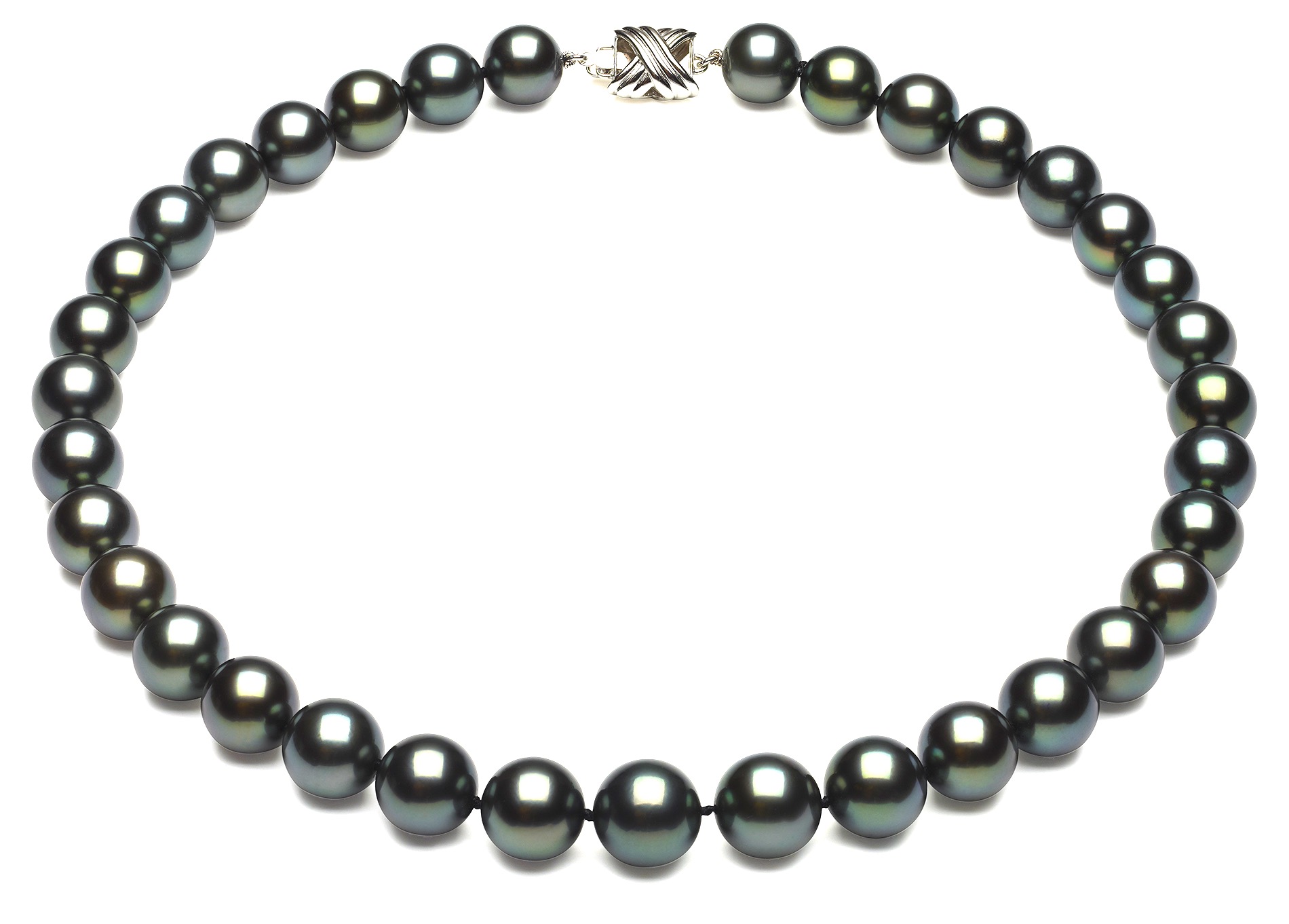
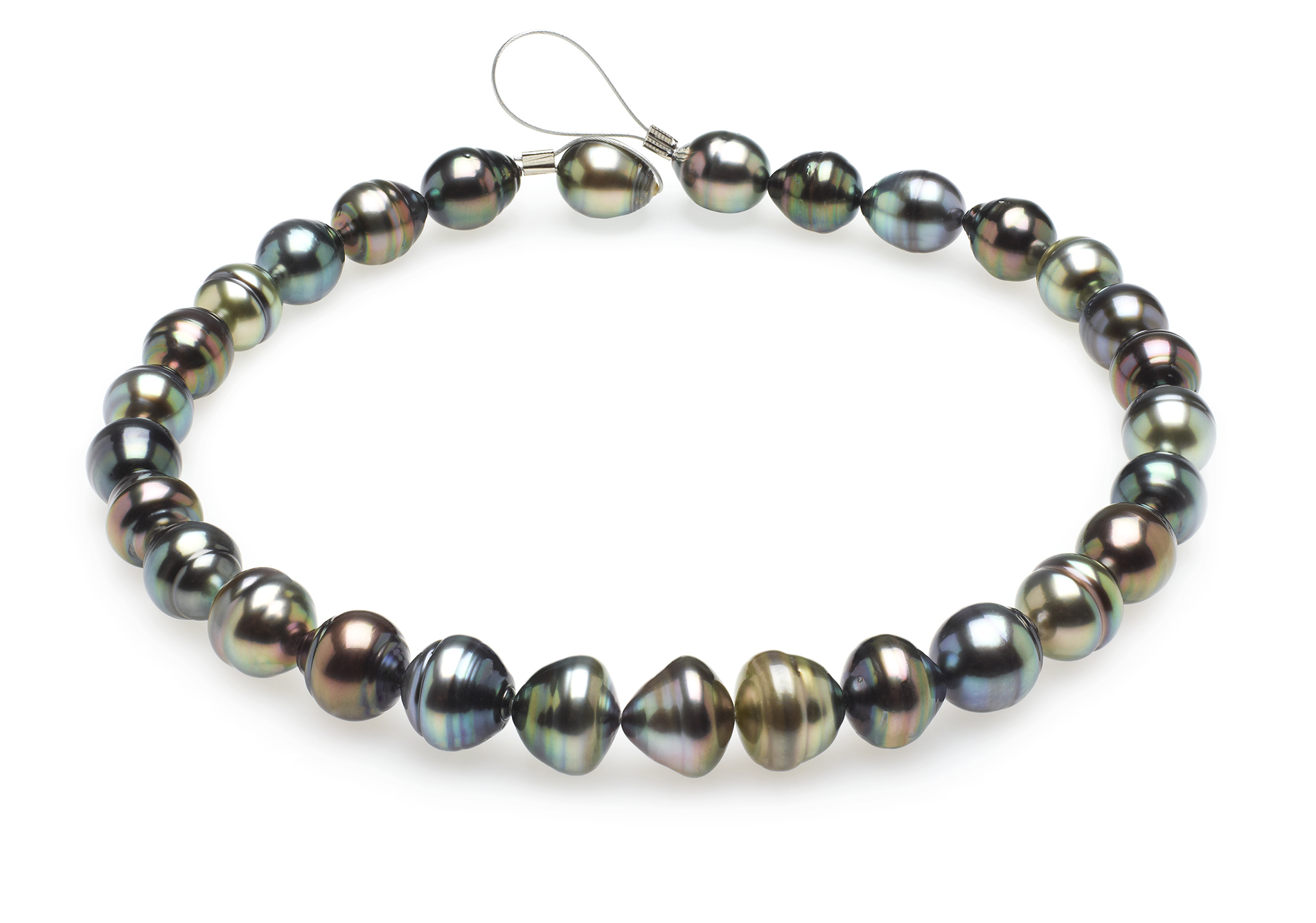
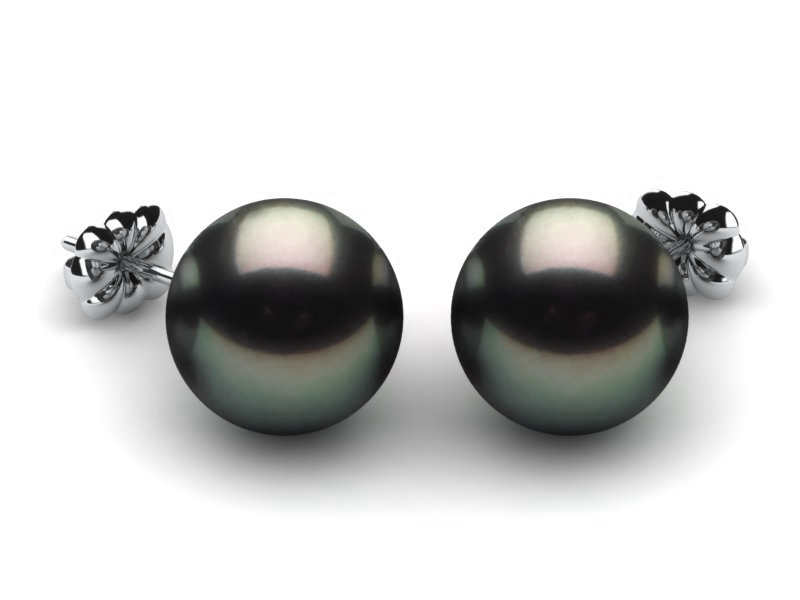
Tahitian pearls are graded on color, luster, size, surface, shape and nacre thickness. Large, round pearls are worth the most, and the finest show a vivid overtone and shimmering orient. Round Tahitian pearls are the hardest to culture.
| A brief history of pearls | TAHITIAN PEARL EVALUATION
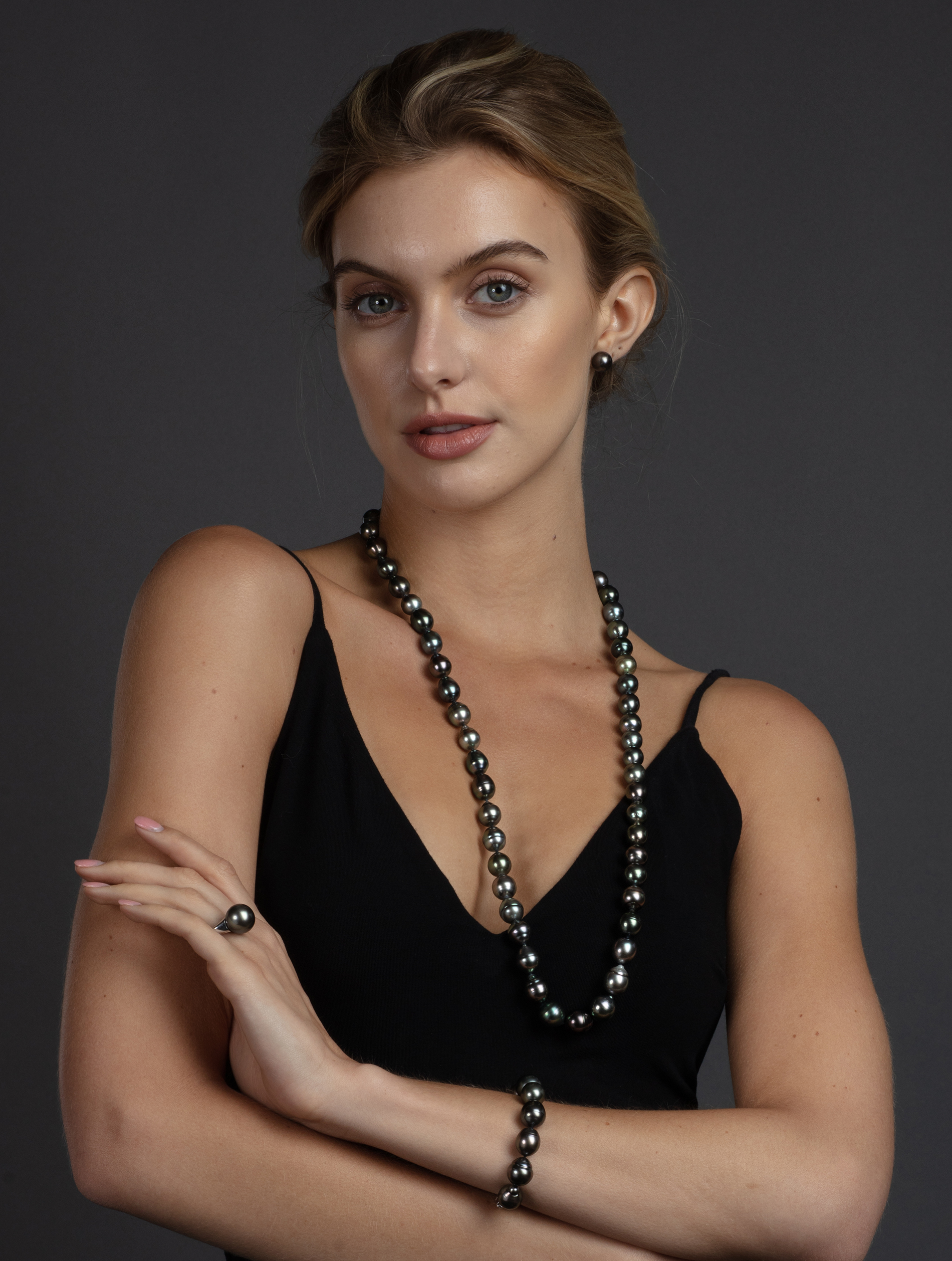
The most beautiful Tahitian pearls typically increase in value, making them a good investment for savvy consumers. | ||
| How pearls form in oysters | |||
| How pearls are harvested | |||
| How pearls brought to market | |||
| Know your Akoya pearls | |||
| Akoya Pearl Cultivation | |||
| Akoya Pearl Harvesting | |||
| Akoya Pearl Processing | |||
| Akoya Pearl Evaluation | |||
| Quality Factor One: Luster | |||
| Luster of Akoya Pearls | |||
| Quality Factor Two: Surface | |||
| Surface of Akoya Pearls | |||
| Quality Factor Three: Shape | |||
| Shape of Akoya Pearls | |||
| Quality Factor Four: Color | |||
| Color of Akoya Pearls | |||
| Quality Factor Five: Size | |||
| Size of Akoya Pearls | |||
| Know your South Sea pearls | |||
| South Sea Pearl Cultivation | |||
| South Sea Pearl Harvesting | |||
| South Sea Pearl Processing | |||
| South Sea Pearl Quality Evaluation | |||
| Luster of South Sea Pearls | |||
| Surface of South Sea Pearls | |||
| Shape of South Sea Pearls | |||
| Color of South Sea Pearls | |||
| Size of South Sea Pearls | |||
| Know your Tahitian pearls | |||
| Tahitian Pearl Cultivation | |||
| Tahitian Pearl Harvesting | |||
| Tahitian Pearl Processing | |||
| Tahitian Pearl Quality Evaluation | |||
| Luster of Tahitian Pearls | |||
| Surface of Tahitian Pearls | |||
| Shape of Tahitian Pearls | |||
| Color of Tahitian Pearls | |||
| Size of Tahitian Pearls | |||
| Gift Giving Occasions |
| Previous Next | |
Tahitian pearl quality: common questions
How are Tahitian pearls graded?
On color, luster, size, surface quality, shape and nacre thickness, after being sorted into broad categories and then finer grades.
What makes a Tahitian pearl valuable?
Size, a round shape, strong luster and a clean surface, plus an intense overtone and orient. With other factors equal, larger is worth more.
What is the rarest Tahitian pearl shape?
Round. It is the most difficult shape to culture.
Shop Tahitian pearls
Still deciding? Speak with a pearl specialist at 1-800-847-3275, or browse all Pearl Answers.
← Back to the Pearl Guide